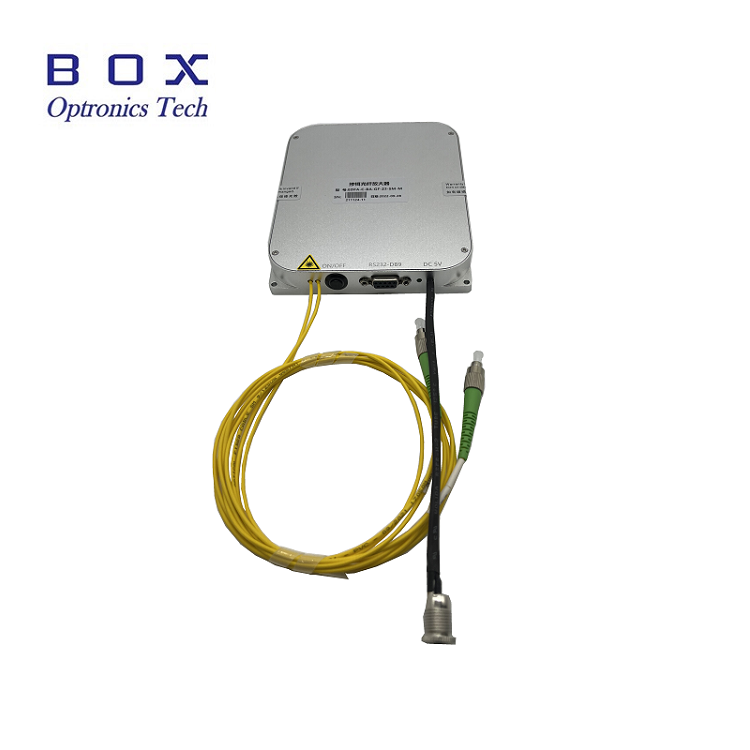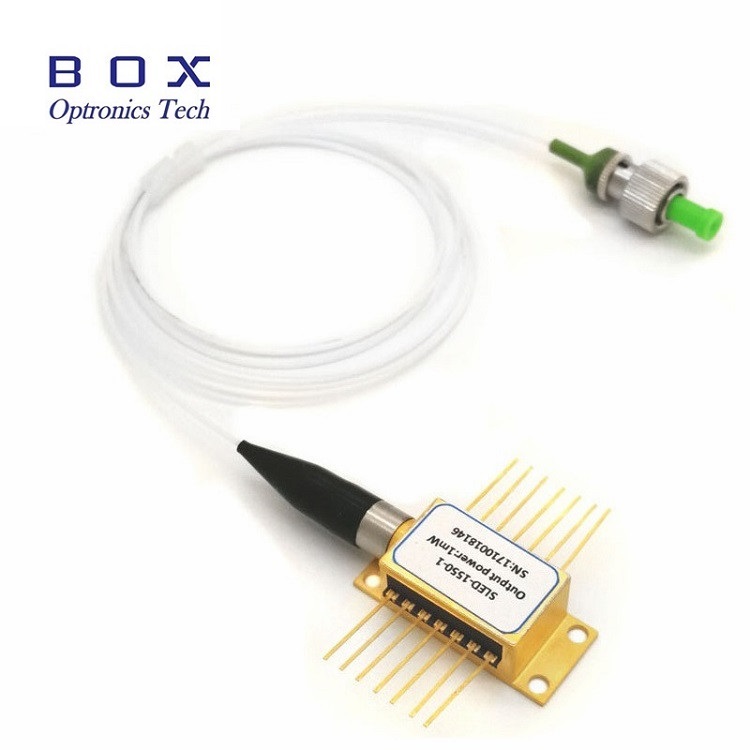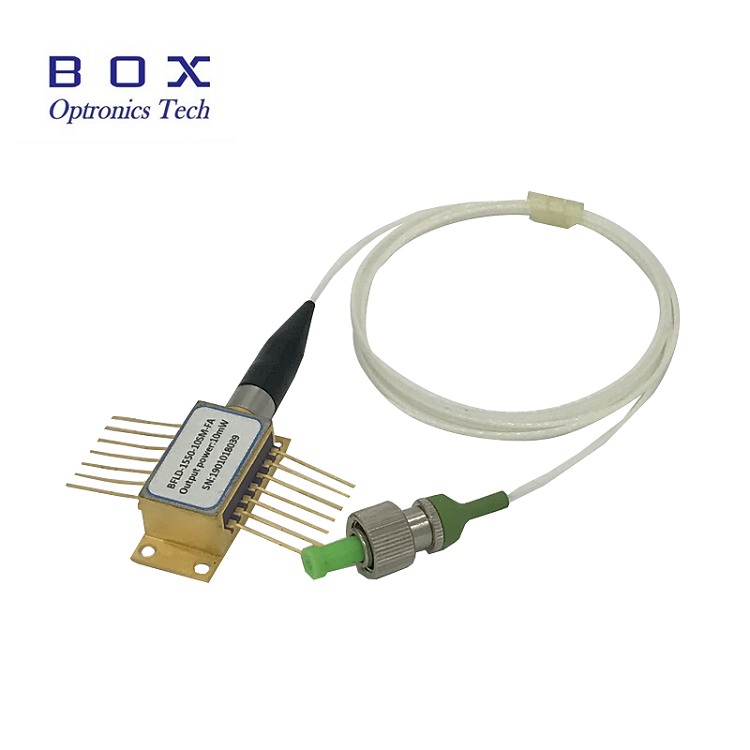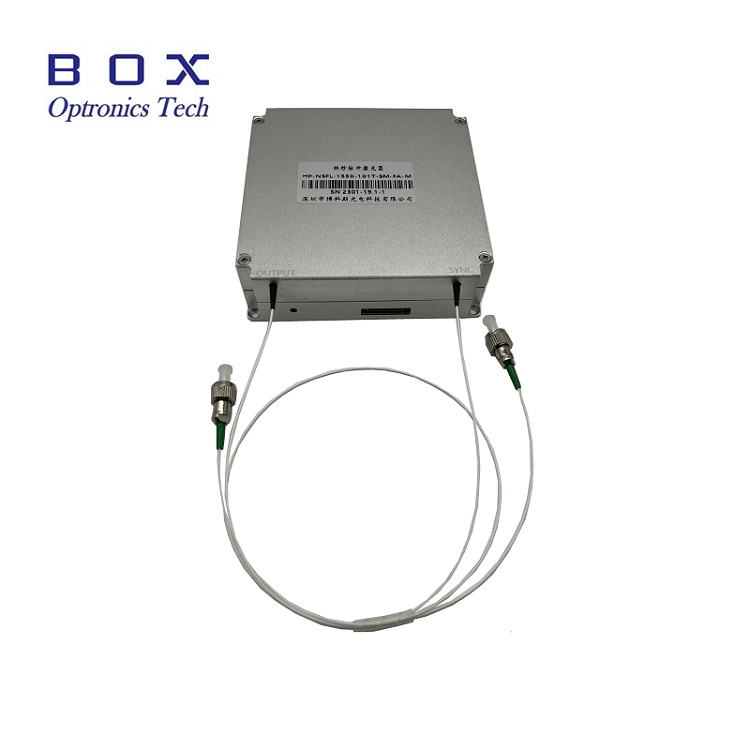
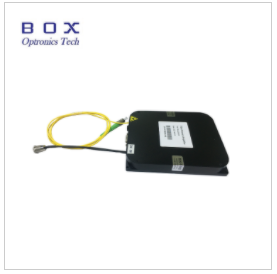
We will be dedicated to provide customers with better quality products and faster response. And to help our customers create greater value and grow with customers.(China fiber optic modules)
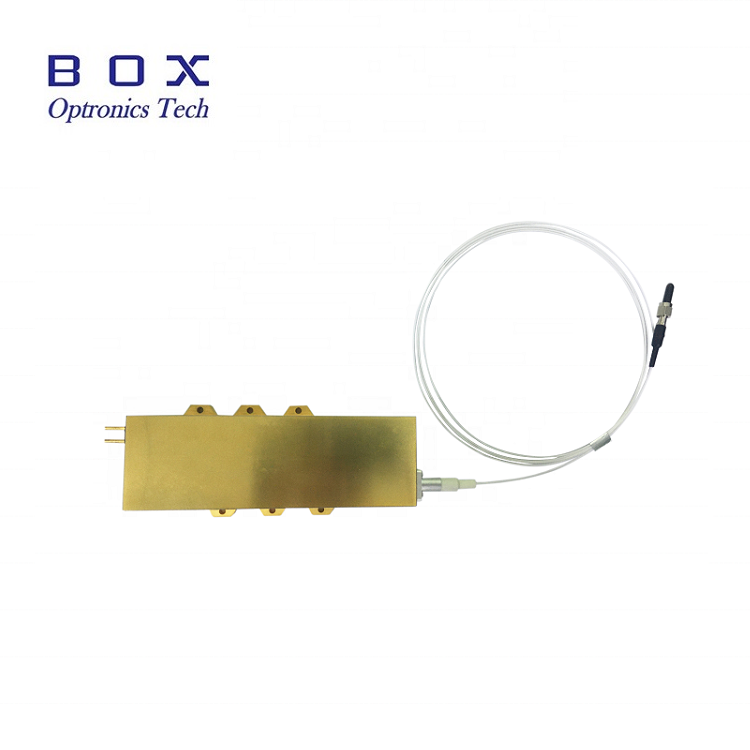
Compared with traditional technologies, the advantages of fiber lasers in beam quality, depth of focus and dynamic parameter adjustment performance have been fully recognized. Coupled with the advantages of electro-optical conversion efficiency, process versatility, reliability and cost, the application level of fiber lasers in medical device manufacturing (especially in fine cutting and micro welding) has been continuously improved.
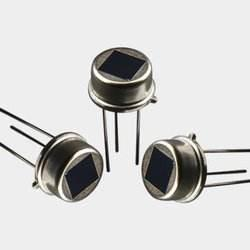
Boxoptronics provide a wide selection of photodiodes (PD) with various active area sizes and packages.(China photodiodes)
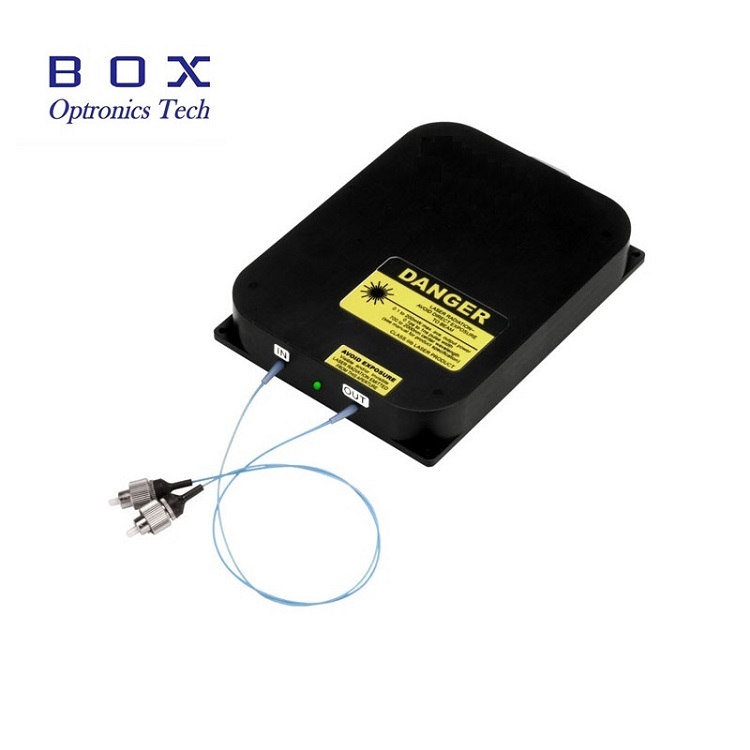
A giant leap is taking place in mobility. This is true whether in the automotive sector, where autonomous driving solutions are being developed, or in industrial applications using robotics and automated guided vehicles. The various components in the whole system must cooperate with each other and complement each other. The main goal is to create a seamless 3D view around the vehicle, use this image to calculate object distances and initiate the next move of the vehicle with the help of special algorithms.
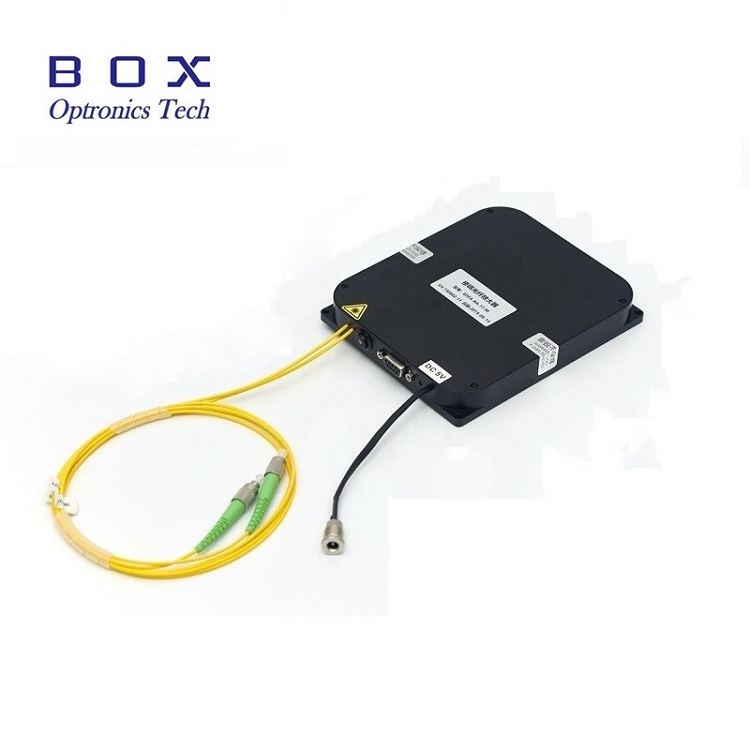
According to the latest report from IMARC Group, the global fiber laser market will grow at a CAGR of around 8% in 2021-2026. Factors such as rapid industrialization and increasing adoption of advanced technologies to automate various manufacturing processes are among the key factors driving the growth of the fiber laser technology market. In addition to this, fiber lasers are gaining popularity in the healthcare industry due to the growing prevalence of chronic diseases. They are used in settings such as dentistry, photodynamic therapy, and biomedical sensing in the mid-infrared spectrum. Furthermore, with the growing demand for electric vehicles (EVs), the application of fiber lasers in internal combustion engines (ICEs) is expected to increase.
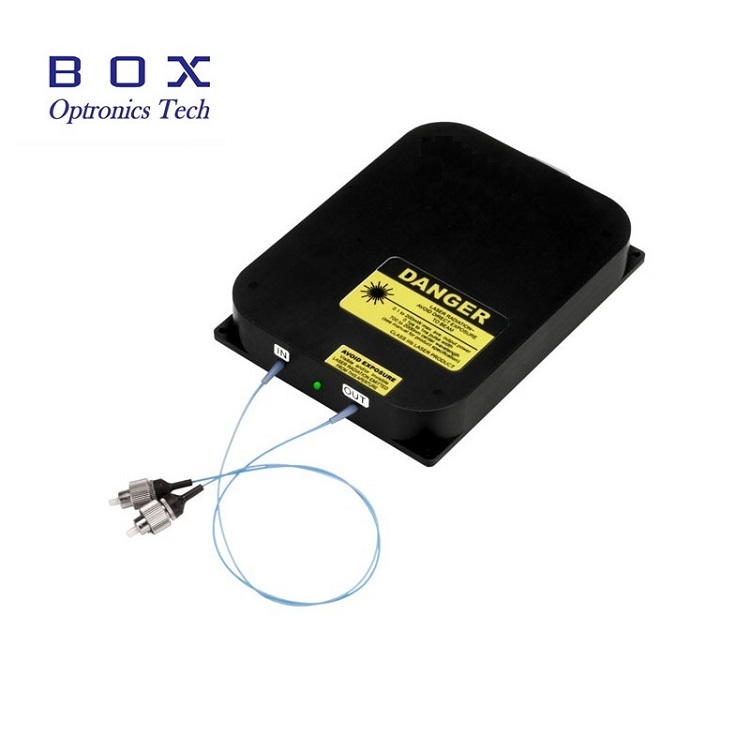
At present, China has become the world's largest manufacturing country, and the domestic market has an increasingly strong demand for laser technology products. Since 2010, thanks to the continuous expansion of the laser processing application market, China's laser industry has gradually entered a period of rapid development. In 2018, the scale of China's laser equipment market reached 60.5 billion yuan, a year-on-year increase of 22.22%, and the compound growth rate from 2011 to 2018 reached 26.45%. China Business Industry Research Institute predicts that China's laser equipment market will reach 98.8 billion yuan in 2021.
Copyright @ 2020 Shenzhen Box Optronics Technology Co., Ltd. - China Fiber Optic Modules, Fiber Coupled Lasers Manufacturers, Laser Components Suppliers All Rights Reserved.