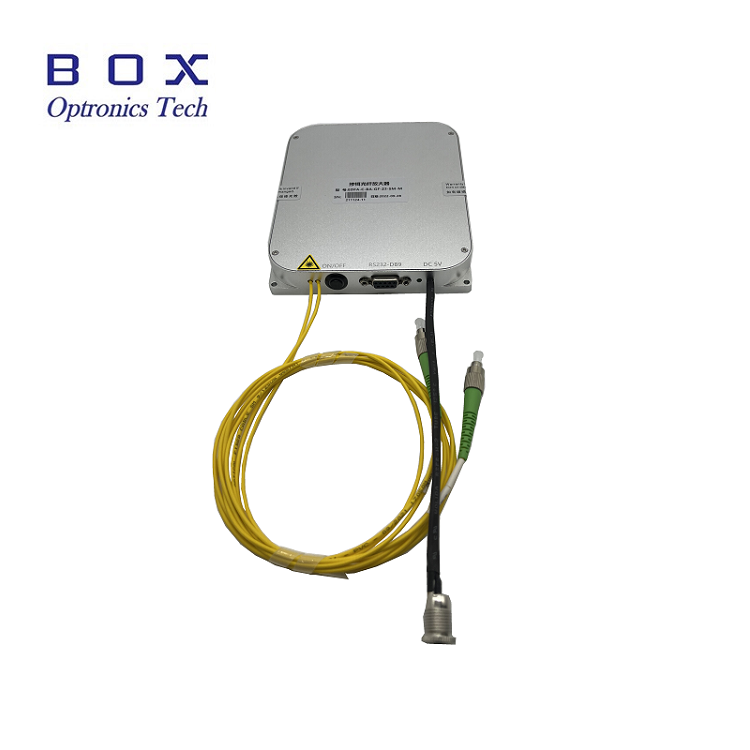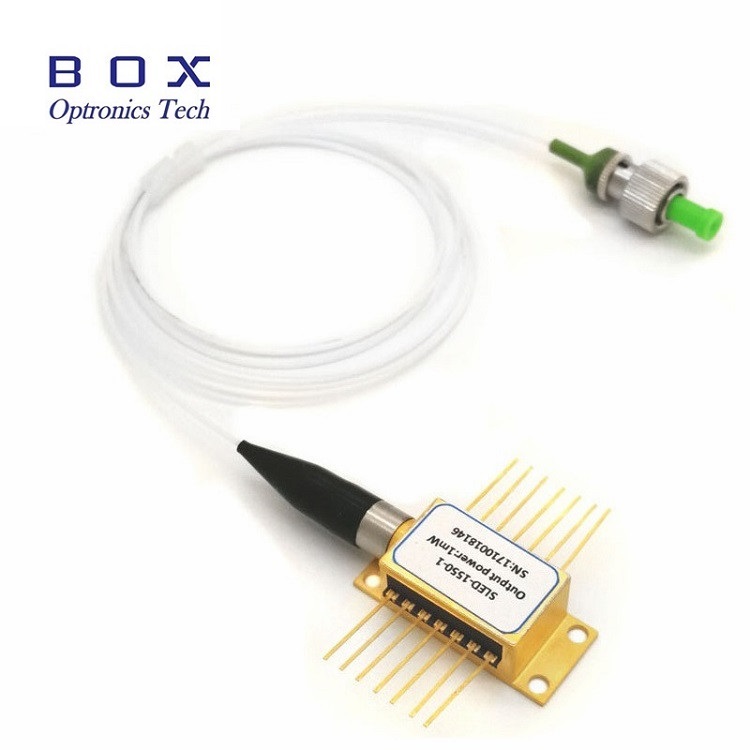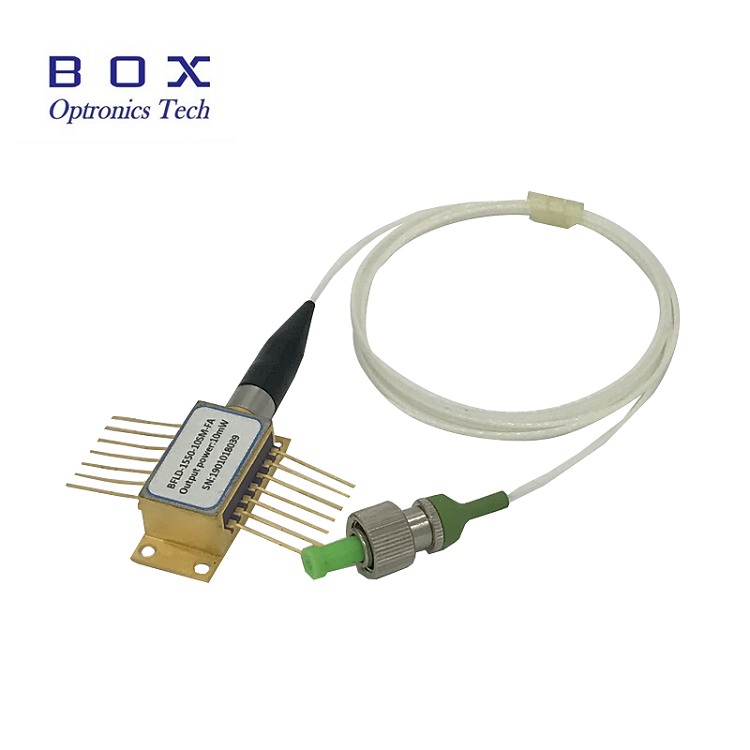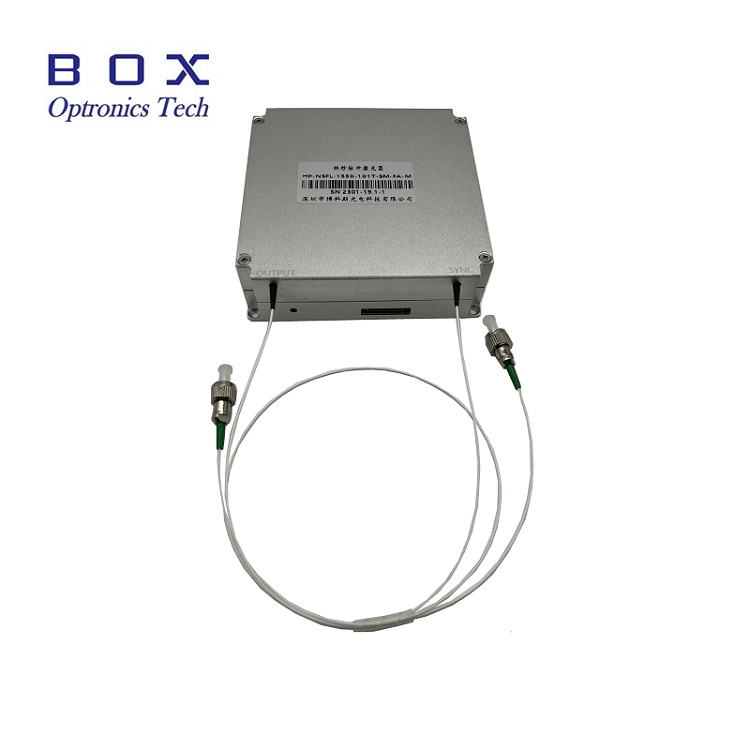
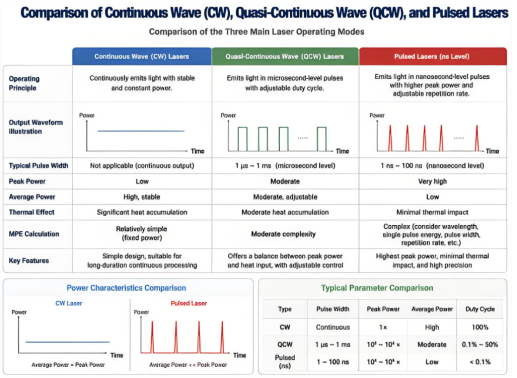
Differences Between Continuous-Wave, QCW and pulsed lasersLasers produce precisely controlled optical radiation through atomic energy-level transitions, which excite bound electrons to emit directional, well-regulated light. The outgoing beam is coherent electromagnetic radiation, with all light waves sharing identical frequency and perfectly aligned phase. Broadly speaking, lasers operate in two fundamental modes: continuous steady emission and intermittent pulsed emission. This article details the essential differences between continuous-wave (CW) and pulsed lasers, along with quasi-continuous-wave (QCW) variants.QCW Lasers vs. Conventional pulsed lasersThree laser architectures dominate industrial and research applications: continuous-wave (CW), quasi-continuous-wave (QCW), and conventional pulsed lasers. Essentially, QCW lasers are a subset of pulsed lasers, featuring microsecond-scale pulse durations. True pulsed lasers generate substantially shorter, faster pulses with durations measured in nanoseconds. As a rule of thumb, shorter pulse widths translate to higher instantaneous peak power and suppressed unwanted thermal side effects. Pulsed laser diodes leverage limited pulse durations to curb heat buildup, allowing them to operate at significantly elevated peak power levels.Divergence in Output Power CharacteristicsPower output behavior marks the core distinction between CW and pulsed lasers. pulsed lasers deliver extremely high peak power at a low average power, whereas CW lasers supply constant, non-stop average power output. These contrasting power signatures dictate their respective industrial deployment scenarios. pulsed lasers are perfectly suited for processes requiring strict heat input control, such as spot welding, seam welding, and biological sample analysis, including medical device assembly and battery production. CW lasers, meanwhile, are the preferred choice for high-speed continuous seam welding for pressure sensors, airbag initiators, and battery tab bonding.Variations in MPE CalculationPersonal protective equipment (PPE) is a necessity for laser system operation to guard against coherent laser radiation hazards. For CW lasers, stable fixed power output simplifies Maximum Permissible Exposure (MPE) safety calculations considerably. In contrast, pulsed lasers pose far greater calculation complexity due to their extreme, fluctuating peak energy. Accurate MPE evaluation requires accounting for multiple key variables: laser wavelength, single-pulse energy, pulse width, and pulse repetition frequency. Rigorous MPE assessment is critical to secure the occupational safety of all on-site operating personnel.Application Scope ComparisonAs outlined earlier, pulsed lasers attain far higher peak power than CW alternatives. CW lasers can run continuously for extended periods, yet persistent heat accumulation frequently causes thermal distortion and permanent damage to workpieces during processing. Intermittent light emission from pulsed lasers circumvents these heat-induced defects effectively. Furthermore, pulsed lasers enable precision cutting and surface marking without damaging the base material. Their drawbacks lie in more frequent maintenance cycles and higher ongoing consumable expenses.ConclusionCW and pulsed lasers display distinct performance traits, yet neither technology is inherently superior to the other. Each delivers optimized results when matched to specific operating conditions and processing requirements.
Copyright @ 2020 Shenzhen Box Optronics Technology Co., Ltd. - China Fiber Optic Modules, Fiber Coupled Lasers Manufacturers, Laser Components Suppliers All Rights Reserved.