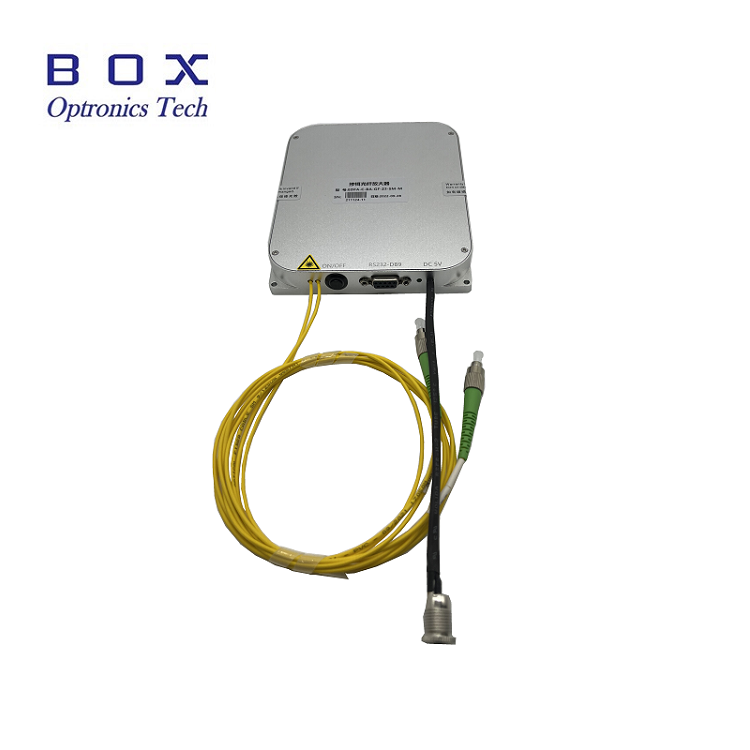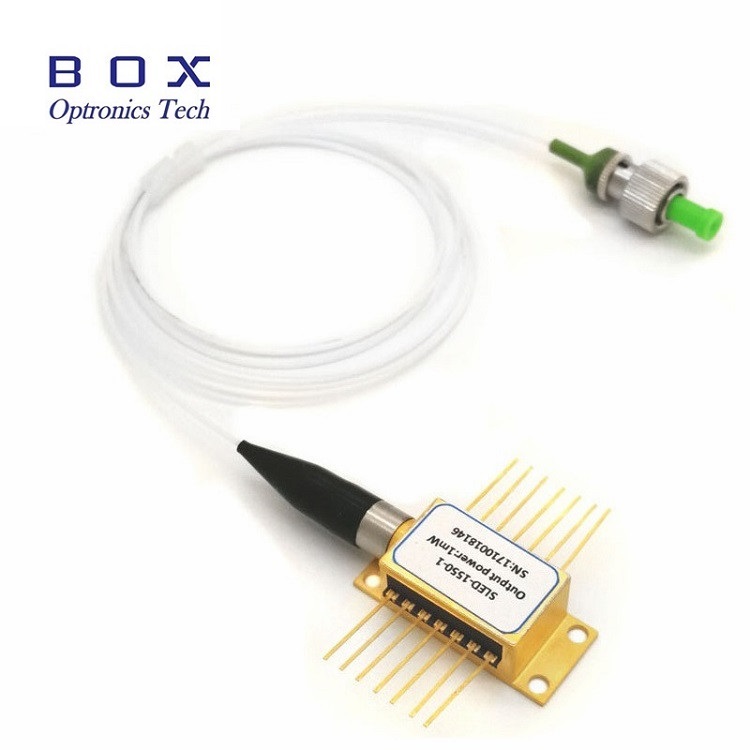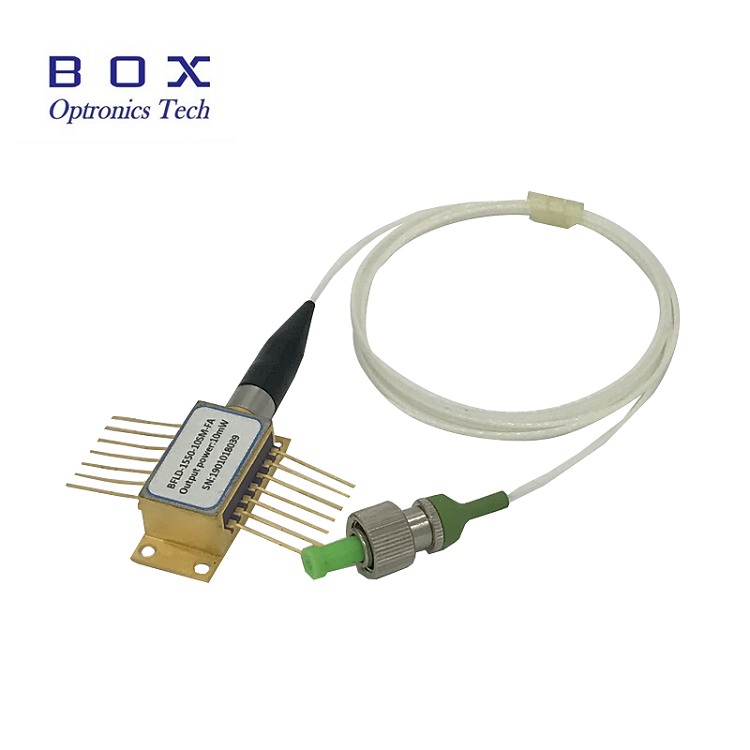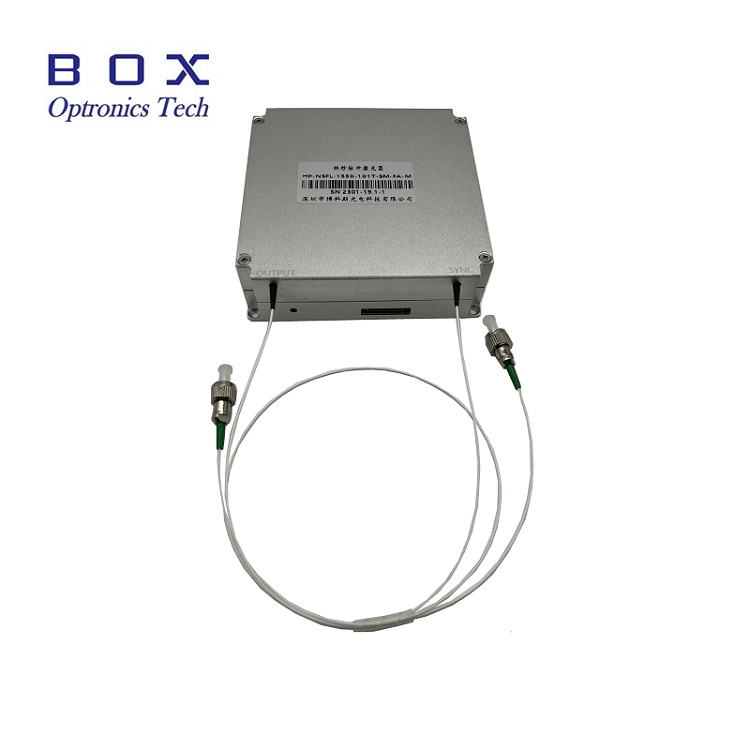
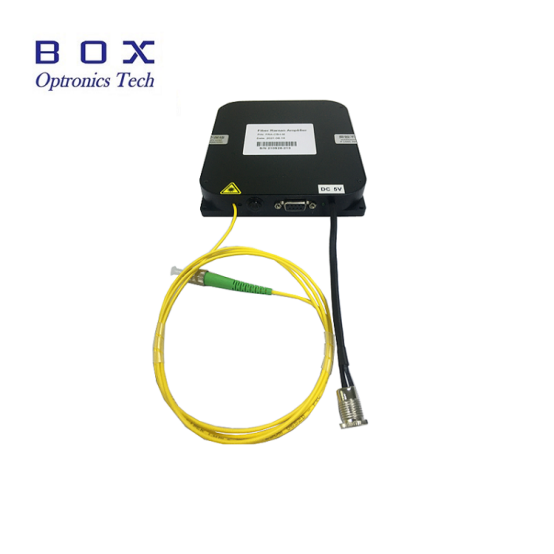
Pump lasers are the "energy supply core" of laser systems. They inject light energy of a specific wavelength into gain media (such as erbium-doped fibers, solid-state crystals) to excite the media to produce stimulated radiation, and finally form a stable laser output. Their performance directly determines the power, efficiency and stability of laser systems.
A team from Zhejiang University's College of Optoelectronic Science and Engineering and Haining International University recently published their research findings on the world's first perovskite laser in the international journal Nature. This device, which utilizes a dual optical microcavity structure, combines low power consumption with easy tunability, making it suitable for applications such as optical data transmission and as a light-emitting diode in integrated photonic chips and wearable devices.
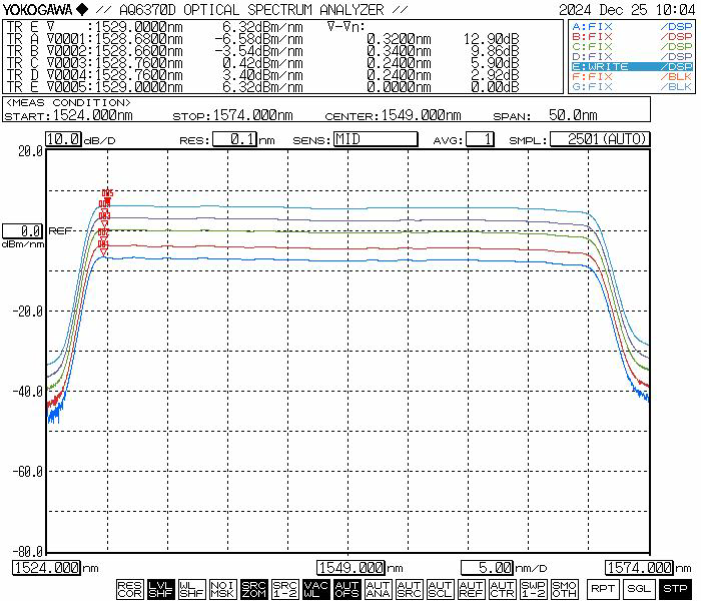
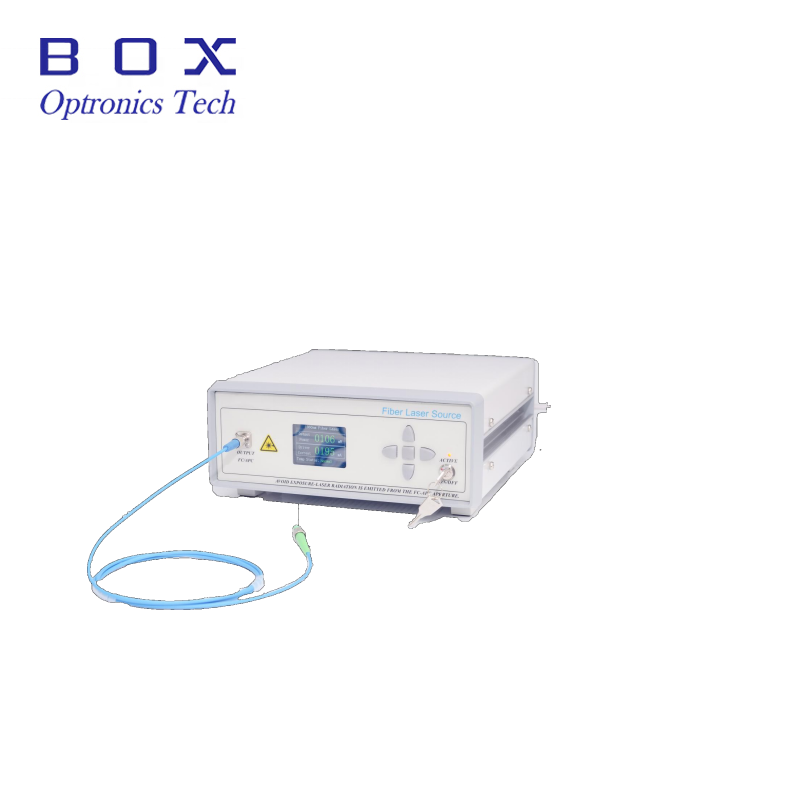
Broadband light sources, with their wide spectral coverage and stable output, play a key role in various scientific research and industrial applications.
The difference between fiber lasers and semiconductor lasers lies in the different dielectric materials used to emit laser light.
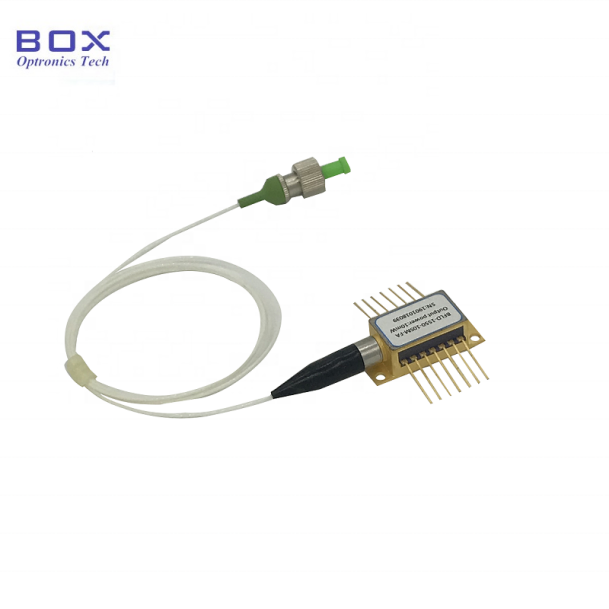
Box Optronics 760nm 10mW butterfly laser utilizes a multi-quantum well distributed feedback (MQW-DFB) structure, ensuring a precise and stable 760nm wavelength with a narrow linewidth of less than 2MHz.
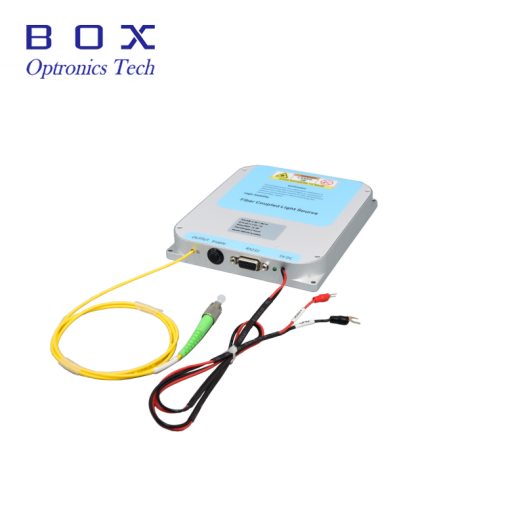
TeraXion's PureSpectrum NLL series utilizes a technology that combines a phase-shifted fiber Bragg grating filter with a highly stable driver circuit. Its core principle is to monitor the laser frequency in real time using an optical discriminator.
Copyright @ 2020 Shenzhen Box Optronics Technology Co., Ltd. - China Fiber Optic Modules, Fiber Coupled Lasers Manufacturers, Laser Components Suppliers All Rights Reserved.